
The big problem? Snaptroid sells a false idea of spying on Snapchat. It promises control and secrets, but it breaks trust, invades privacy, and can cause real harm. This article looks at how tools like Snaptroid affect different people: teens who might use it out of curiosity, parents who want to protect their kids, and partners in relationships who think spying helps. We will talk about the risks to mental health, trust, and safety. The goal is simple—help you understand why these tools hurt more than they help, and what better choices exist.
1. Snaptroid and Teen Safety: What Parents Should Know
Teens love Snapchat because it is fun and quick. They share snaps, stories, and chats that disappear. But this makes some teens curious about what others hide. Tools like Snaptroid appeal to that curiosity. A teen might think, “What if I see my friend’s private stuff?” or “Is someone talking about me?” This pressure comes from friends or social media trends.
The real danger is privacy violation. When someone uses a spying tool—even if it fails—it teaches teens that spying is okay. This can hurt their mental health. Teens need space to grow, make mistakes, and learn. If privacy feels gone, they may feel anxious, stressed, or watched all the time. Studies show that constant worry about privacy can lead to more anxiety and lower self-esteem.
Parents often worry about online dangers like bullying, strangers, or bad content. Some think spying tools help monitor kids. But this backfires. It breaks trust between parent and child. Teens may hide more or stop sharing openly. Instead of spying, parents should talk openly. Ask questions like, “How does Snapchat make you feel?” or “Have you seen anything upsetting online?”
There are safe ways to guide teens. Snapchat has its own Family Center. This lets parents see who their teen friends with and chats with (without reading messages). Parents can also see location if shared, set content limits, and report bad accounts. Other trusted apps like Qustodio or Bark help monitor screen time and flag risky words or sites—without secret spying.
The key for parents: Build trust through talks, not tools. Teach teens about privacy and why respecting others’ space matters. This helps them stay safe online without fear.
2. Snaptroid’s Psychological Impact on Teens: Trust, Curiosity, and Vulnerability
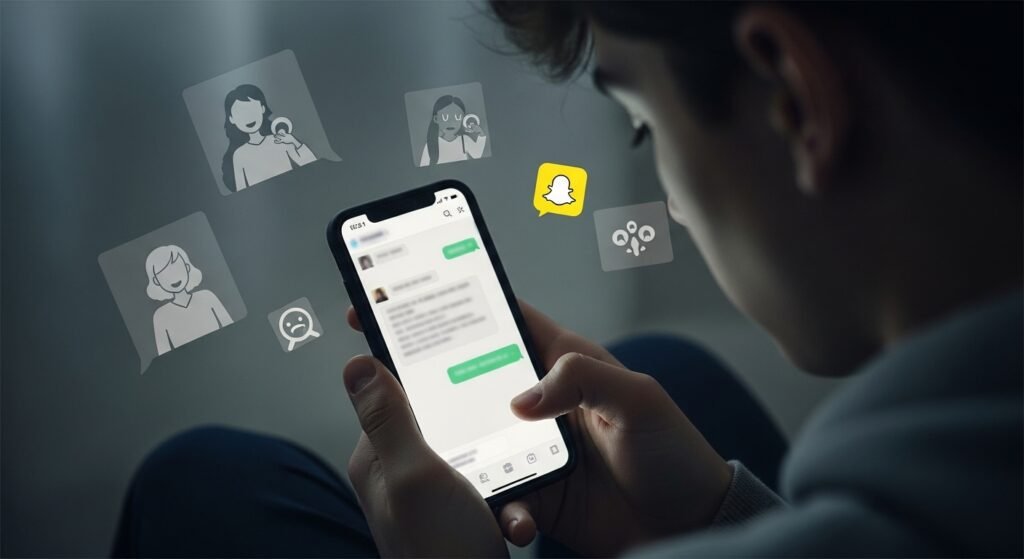
Why do teens try tools like Snaptroid? Curiosity is big. They wonder about crushes, friends’ secrets, or if someone likes them back. Peer pressure adds to it—friends might say, “Just try this to see who’s snapping who!” FOMO (fear of missing out) makes it worse. Teens feel they must know everything to fit in.
But using spying tools hurts. Even trying one can create paranoia. If a teen spies and sees something upsetting (or thinks they do), it leads to anxiety. They may start overthinking every snap or message. Psychologists say privacy violations damage mental health. Teens already deal with school stress, body image, and social changes. Adding mistrust makes it harder.
Experts warn that spying creates a bad cycle. A teen who spies may feel guilty, then anxious about being spied on. This leads to more checking and less real connection with friends. Some studies on social media show that too much monitoring raises jealousy and lowers happiness. For teens, this can mean trouble sleeping, mood swings, or pulling away from people.
The fix? Encourage healthy curiosity through open talks. Teach teens that real friendships build on trust, not secrets. Help them spot peer pressure and say no to risky tools. Remind them: Privacy is a right—for them and others.
3. Snaptroid and Relationships: Does Spying Ever Help?
In romantic relationships, trust is everything. But jealousy or doubt can make someone search for tools like Snaptroid. They think, “If I check their Snapchat, I’ll know if they’re cheating.” The promise sounds easy: Enter a username, see private chats or locations.
But spying damages trust more than it fixes problems. When you spy, you act on doubt instead of talking. If your partner finds out, they feel betrayed. This hurts the relationship deeply. Even if they don’t know, the spy often feels guilty or more insecure. It creates a cycle: more spying, more doubt, less closeness.
Emotional effects are real. The person spying may feel constant anxiety or jealousy. The spied-on person loses privacy and feels controlled. Experts say spying is a form of emotional abuse in bad cases. It takes away autonomy and builds resentment.
Real stories show this. One person shared anonymously: “I used a tool like Snaptroid because I was scared my partner was hiding things. It didn’t work, but I felt awful for trying. When I told them, we fought for weeks. Trust took months to rebuild.” Another said spying made small doubts grow huge, leading to a breakup.
Better way? Talk openly. Say, “I feel worried about us—can we discuss it?” If issues are big, try couples therapy. Healthy relationships use communication, not secrets.
4. Snaptroid and Parental Control: Protecting Your Children Online

Parents care deeply about kids’ safety. Snapchat worries them—snaps vanish, strangers can message, and trends can be risky. Some parents think tools like Snaptroid help “monitor” kids’ activity.
But ethical parenting means balancing safety and trust. Spying violates privacy and teaches kids that secrets are normal. It can make teens rebel or hide more.
Instead, use official tools. Snapchat’s Family Center gives parents insight without invading chats. See friends, recent messages (who, not what), and location sharing. Set limits on sensitive content. Apps like Google Family Link or trusted ones like Bark help with broader monitoring.
Teach teens too. Explain dangers of unregulated tools—they can bring malware or scams. Show why privacy matters: It builds respect. When kids understand, they make better choices.
5. The Impact of Snaptroid on Mental Health: Anxiety, Jealousy, and Mistrust
Spying tools create emotional harm. Seeing (or thinking you see) private things causes long-term anxiety. In relationships, it fuels jealousy. One small doubt leads to more checking, making insecurities worse. Experts link constant monitoring to paranoia and low mood. For teens, privacy loss adds to social media stress. Studies show surveillance raises mental health risks like depression or isolation. Breaking the cycle needs honesty. Focus on self-worth and open talks, not control.
6. Why Using Snaptroid Can’t Solve Relationship Problems
Snaptroid gives a false sense of security. You think spying fixes doubt, but it hides real issues. Problems like poor communication stay. Healthy relationships need honesty and respect. Talk about feelings early. If needed, get help from a therapist—not a spying tool.
7. The Dangers of Spying on Snapchat: A Wake-Up Call for Teens, Parents, and Partners
Snaptroid is a shortcut that causes harm. It risks malware, data theft, account bans, and broken trust. Real consequences include anxiety, lost friendships, or ended relationships.
Respect boundaries. Privacy protects everyone. Choose communication over spying.
Conclusion: The Bottom Line – Trust, Privacy, and Healthy Relationships
Trust is the base of all good relationships—romantic, family, or friends. Privacy and open talks make them strong. Tools like Snaptroid promise easy answers but bring pain. Skip shortcuts. Use safe options like Snapchat Family Center for parents. Talk openly with teens and partners. Foster respect and honesty for better connections.
Respect privacy. Be transparent. Build stronger bonds through real conversations—not spying. Your relationships will thank you.
Disclaimer: This article is for informational purposes only. It does not encourage or support the use of spying tools like Snaptroid. Respecting privacy and building trust through open communication is important for healthy relationships. Always prioritize safety and well-being online.
Explore More
- Who Is Behind Snaptroid? Ownership, Anonymity & Red Flags
- What Does The Eyes Mean On Snapchat Story
- A Beginner’s Guide to Snaptroid: Claims, Features, and Risks (2026 Updated)
- Snaptroid and the Legal, Ethical, and Policy Implications: What You Need to Know
