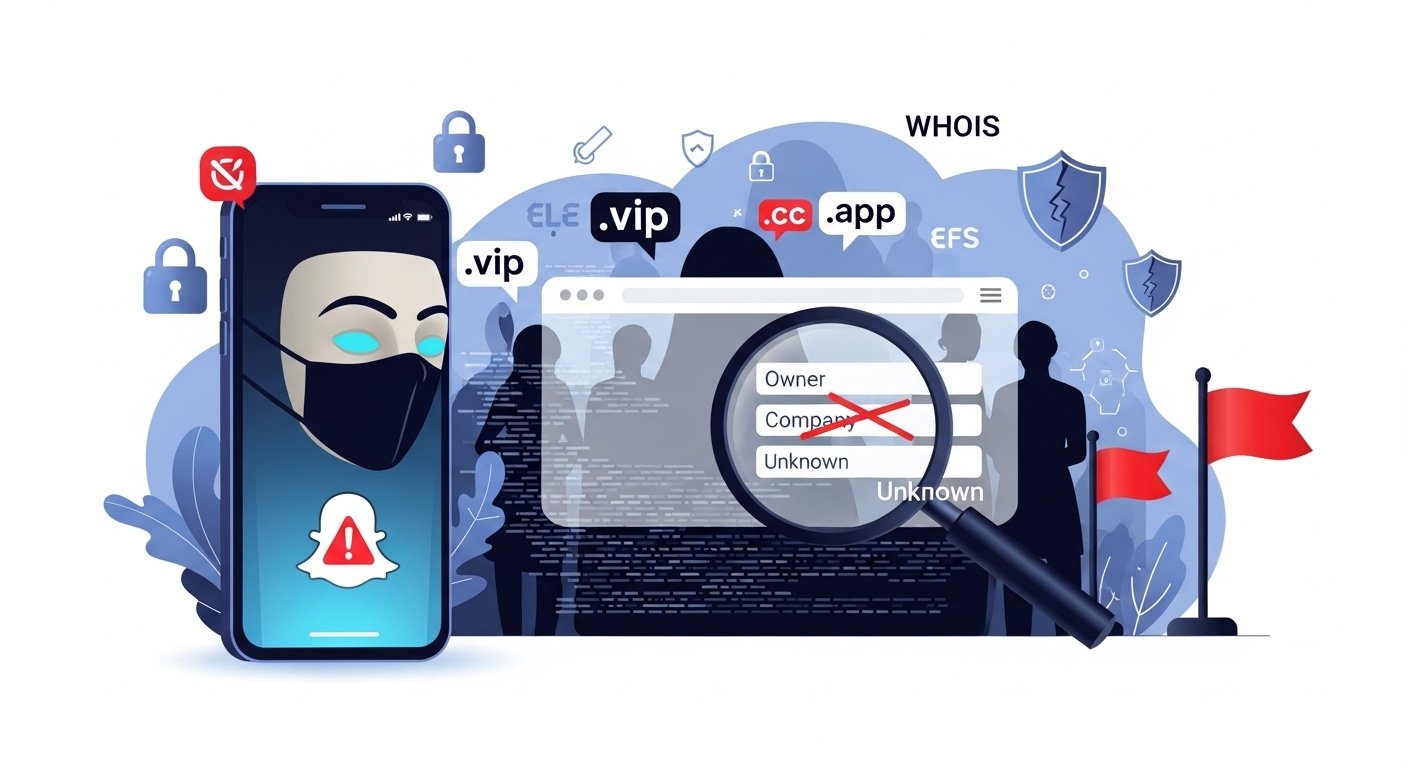
When you find a new website or app online, especially one that promises cool features for Snapchat, you probably want to know: who made this? Who is responsible for it?
Knowing the owner helps people feel safe. If a real company shows its name, office address, phone number, or team members, it looks trustworthy. People can contact them if something goes wrong. They can check reviews or news about the company. Good websites are open about who they are. This is a simple way to show they care about users and follow rules. When a site hides all this info, many people get worried. They ask: why keep it secret? What are they trying to hide?
This article looks only at public facts about Snaptroid. We do not hack or use secret ways. We just check what anyone can see online. Our goal is to help you understand who is behind Snaptroid and why the lack of clear information matters to regular users.
1. Does Snaptroid List an Owner or Company?
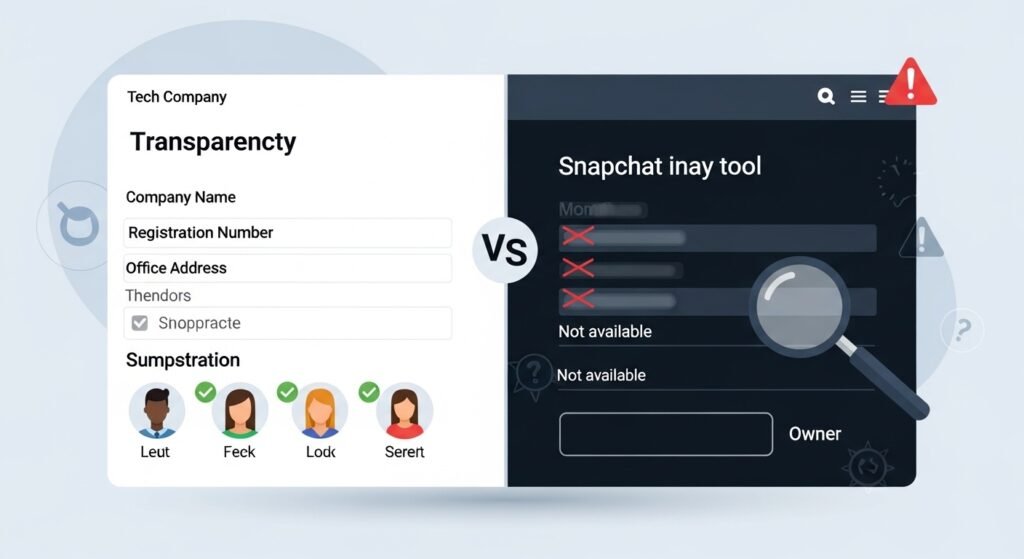
Real companies usually tell you who they are right away. You see:
- A clear company name
- Business registration number
- Office address in a real place
- Sometimes even team photos or leader names
These things make the site feel real and safe.
Snaptroid sites do not show any of this. No company name is listed as the owner. No registration number. No street address or office location. This missing information is very different from normal apps or tools that people trust.
2. Examining Snaptroid’s “About Us” and Contact Pages
Many good websites have an “About Us” page. It tells a story about the company, the people who work there, and why they made the product.
On Snaptroid pages, the “About Us” (if it exists) uses very general words. It says things like “unlock more Snapchat freedom” or “advanced tools for users.” But no real names, no team photos, no office info.
The contact page is often just a basic form. You type a message, but there is no real email like support@company.com, no phone number, and no person’s name. This makes it hard to get real help. When contact is so hidden, there is less accountability. If a problem happens, who do you talk to?
3. Domain Registration and WHOIS Information (Public Data)
Every website has a domain name, like snaptroid.vip, snaptroid.app, or snaptroid.cc. When someone buys a domain, they give details to a public record called WHOIS. This record shows who owns it, when it started, and sometimes contact info.
Today, many people use privacy protection. This hides real names and shows only the company that sold the domain. Privacy is okay and legal for normal users.
But Snaptroid domains often use full privacy protection. Real owner details stay hidden. Many Snaptroid domains are also very new. They get registered for short times and change often.
Privacy alone is not bad. But when it comes with new domains, frequent changes, and no other company info, it creates a pattern that makes people careful.
4. Why Many Scam Websites Hide Ownership
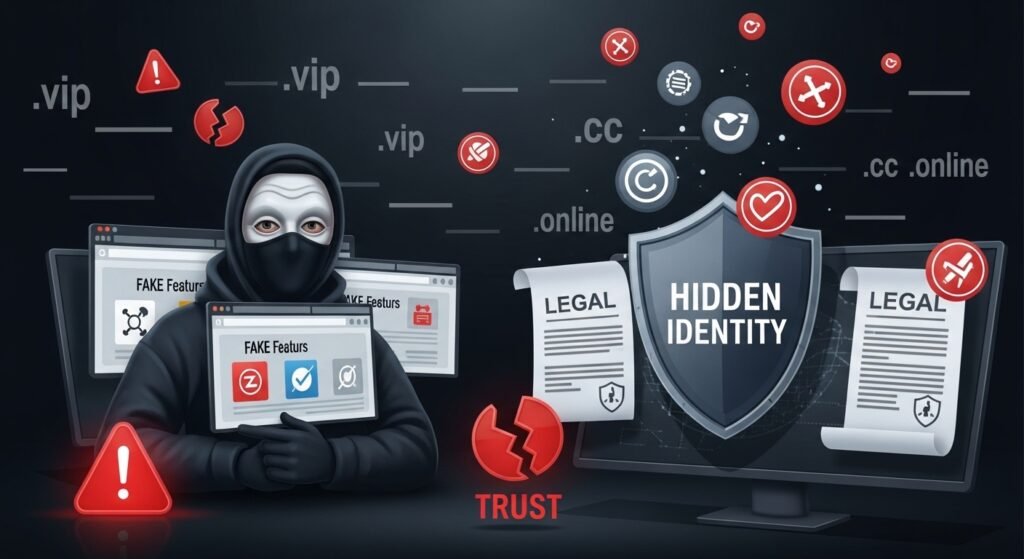
Some websites hide who runs them because it helps them in certain ways:
- They avoid complaints or legal problems
- They can keep working even if users report them
- They switch to new domains quickly when one gets blocked
This hiding is a common trick for sites that make big promises but do not deliver. They want to make money fast without being easy to stop. While everyone can choose privacy, when a site combines full hiding with other warning signs, it often points to trouble.
5. Snaptroid’s Lack of Corporate Footprint
Real companies leave marks online that prove they exist:
- A company page on LinkedIn
- Workers who list the company on their profiles
- News stories or reviews from trusted places
- Clear update history or plans for the future
Snaptroid has none of these. No LinkedIn company page. No public workers. Very little real news coverage from good sources. No sign of long-term work or improvements.
This is not normal for real apps or tools. Good companies want people to know them. When almost nothing shows up, it becomes hard to believe a serious team is behind it.
6. Changing Domains and Identity Rotation
Snaptroid uses many different domain names: .vip, .cc, .app, .online, and more. When one domain gets bad reports or stops working, they move to a new one.
This is called domain rotation. Sites do this when they expect problems like blocks or complaints. Changing domains often makes it hard for users to know which one is real. Stable domains and clear ownership build trust. Frequent changes do the opposite.
7. Payment & Monetization Clues (Without Technical Details)
Snaptroid does not usually ask for direct payment. Instead, it pushes users toward surveys, app downloads, VPN installs, or other third-party offers.
These methods let the site make money without showing a real company or bank info. Hidden operators like these ways because they are harder to trace. When a site avoids normal ways to earn and focuses on surveys or extra downloads, it often means the main goal is not helping users.
8. Can Snaptroid Be Traced to a Real Company?
After checking public info, no real company connects to Snaptroid. No business is registered anywhere. No country is clearly listed as home base. No sign of following any rules or laws for apps.
This is important. Without a real company, users have no one to hold responsible. No legal way to ask for help or get money back if things go wrong.
9. What This Anonymity Means for Users
When a site stays fully hidden, users face real risks:
- No real customer support to trust
- Very hard or impossible to get refunds
- No easy way to complain legally
- No promise that your personal info is safe
- No following important privacy rules like GDPR
Without clear responsibility, users are left alone. If data gets stolen, device gets problems, or money is lost, there is no company to fix it.
Many reviews and security reports call Snaptroid a scam that collects info, shows lots of ads, or tricks people into risky downloads. Experts warn it does not do what it promises and can harm devices or accounts.
10. How to Check Website Ownership Yourself (Educational)
You can check sites yourself with easy steps. No expert skills needed:
- Go to a free WHOIS tool (try who.is, whois.com, or lookup.icann.org).
- Type the domain name (like snaptroid.vip) and search.
- See if owner info is hidden (says “REDACTED” or privacy service). Check creation date — very new is often a red flag.
- Look at the site footer for any company name or address.
- Search that name on Google + “company” or on LinkedIn.
- Read reviews on Trustpilot, Reddit, or ScamAdviser.
These quick checks help you stay safe on any site.
11. Common Myths About “Hidden Teams” and “Private Developers”
Some sites say “anonymous expert team” or “private developers underground.” These words sound cool and mysterious.
But real tech companies do not work this way. They show their teams, share offices, post updates, and want trust from users and investors. Hiding everything is not normal for good businesses.
When a site uses these mystery phrases to explain no info, it is usually covering up the lack of real proof.
12. Final Verdict: Transparency vs Trust
Snaptroid keeps almost everything hidden. No clear owner. No real company. Domains change all the time. Contact is vague. No business signs online. Many reviews and experts call it unsafe or a scam. Trust online needs openness. When a site hides who runs it and avoids normal signs of a real business, it is very hard to feel safe. Think carefully before using any tool that promises big Snapchat features but stays secret. Choose official apps or clear companies that show who they are.
If a website will not tell you who is behind it, that choice says a lot. Stay smart and protect yourself online. Your data and device are worth it.
